Retail alcohol sales surged during COVID as bars closed and people shifted drinking into the home. Now that life has normalized, the question many in the industry are asking is where demand will ultimately settle.
But the bigger story may not be where alcohol is sold.
It may be about who owns the drinking occasion.
For generations, alcohol dominated a powerful social ritual. When people gathered, celebrated, relaxed after work, or met friends, a drink was often part of the moment. Not always, but often enough that the association felt automatic.
That assumption is beginning to loosen.
Younger consumers are experimenting with a wider range of options than previous generations. Some drink less alcohol, but that doesn't necessarily mean they are drinking nothing. Cannabis products, THC beverages, and non-alcoholic drinks are increasingly part of the mix.
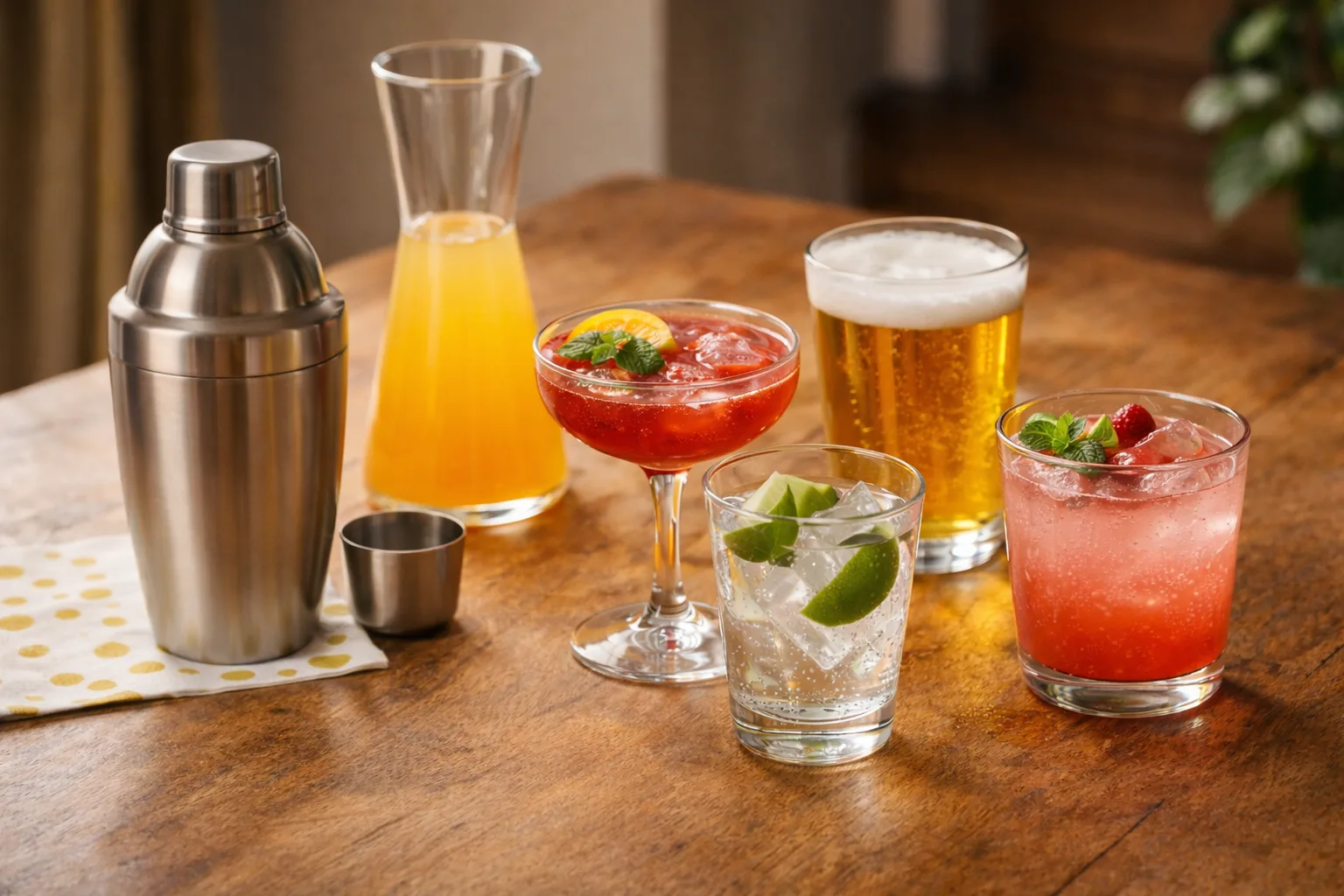
Alcohol is no longer just competing with beer, wine, and spirits. It is competing with entirely different kinds of beverages that serve the same moment.
 Temperates
Price also plays a role. In many cities, a cocktail now costs $18 or more, which makes alcohol a more deliberate choice than it used to be. For some consumers, alcohol is becoming something they choose occasionally rather than automatically.
At the same time, the market for alternatives has expanded dramatically. Non-alcoholic beer, alcohol-free cocktails, botanical spirits, and functional beverages have moved from novelty to legitimate category. Retailers are dedicating shelf space to these products, and restaurants are building serious zero-proof menus.
The key shift is subtle but important.
Alcohol is no longer just competing with beer, wine, and spirits. It is competing with entirely different kinds of beverages that serve the same moment.
The drink after work.
The drink at dinner.
The next decade in beverages may not be defined by what people drink. It may be defined by who captures the moment when people want something interesting in their hand.
TemperatesThe drink in your hand at a gathering.
In other words, the competition is no longer product versus product.
It's about who owns the occasion.
Alcohol will remain a major part of culture. But the assumption that it automatically dominates social drinking moments is beginning to look less certain.
For many people, the shift isn't about eliminating the ritual. It's about expanding the options within it. Social drinking moments increasingly include alcohol, non-alcoholic beverages, cannabis drinks, and other alternatives depending on the setting, the mood, or simply the next morning's responsibilities.
Temperates Takeaway
The next decade in beverages may not be defined by what people drink. It may be defined by who captures the moment when people want something interesting in their hand.