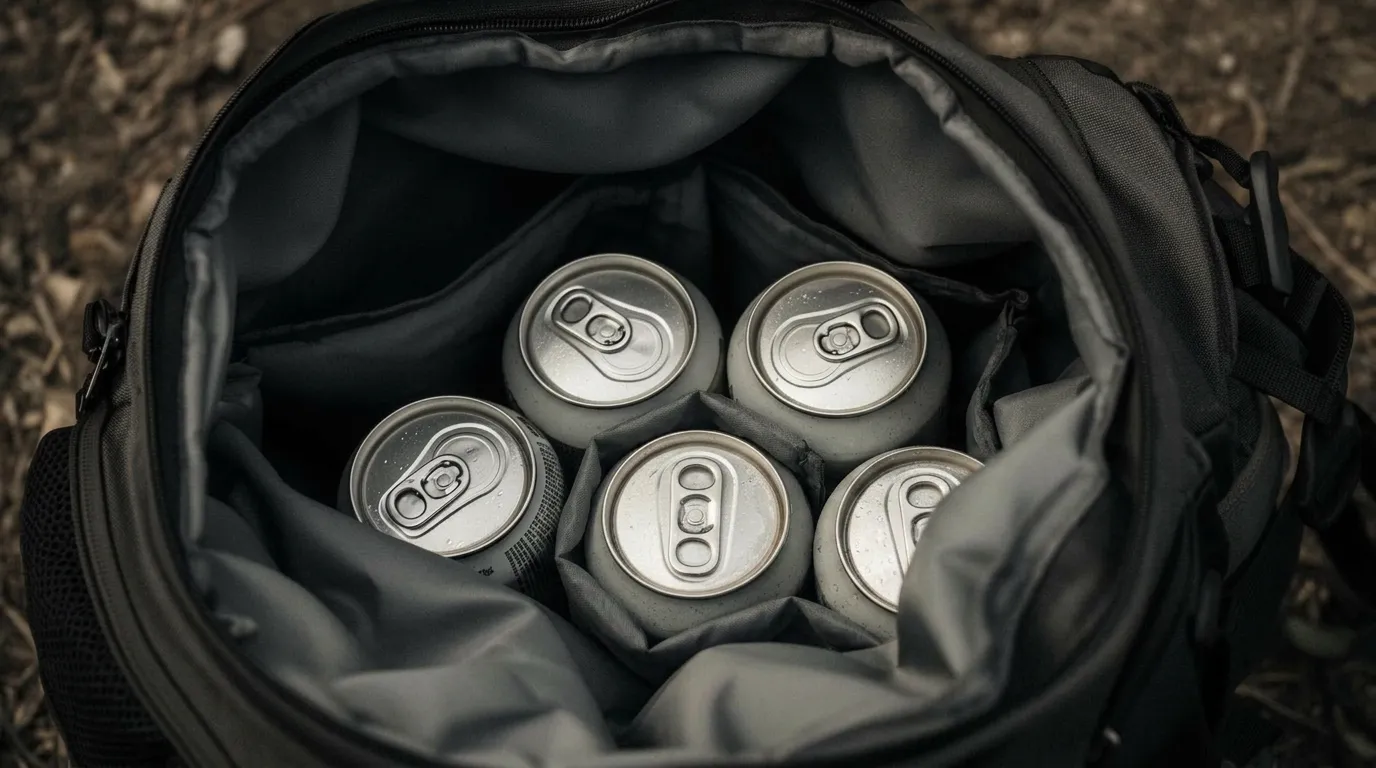

Recently, one of my kids came home from college. As we were getting ready to head out for a normal family dinner, nothing high-stakes, I walked down the hallway and caught him about to shotgun a beer. I later found more in his bag.
And I don’t think this is unique to him.
He’s 19. I’m not naive about college. I know what that environment looks like. I know drinking happens.
That wasn’t what caught my attention.
Alcohol had become a tool. Not for celebration or connection, but for self-regulation.
 Temperates
What caught my attention was this: he felt the need to change his state before walking into a completely ordinary moment.
And just as telling, he didn’t think it was a big deal.
When we talked about it, the explanation was simple and honest. Drinking makes things more fun. It quiets the self-criticism. It makes it easier to be social. In other words, alcohol had become a tool. Not for celebration or connection, but for self-regulation.
The shift doesn’t begin when someone “has a problem.” It begins when they start to rely on something to manage how they feel.
TemperatesAnd that’s the part most people miss. We tend to look at drinking and ask, “How much?” but the more important question is, “Why?”
Because once alcohol becomes the thing that helps you feel like the version of yourself you prefer, a loop starts to build. You drink, you feel better. You drink again, you feel better again. You start to associate fun, ease, and confidence with something external. And slowly, without realizing it, you stop asking whether you actually need it.
This is how habits form, not through excess at first, but through reinforcement. And the culture around it doesn’t just allow it, it encourages it. We’ve built a system where alcohol is positioned as the shortcut to feeling good in social situations.
More fun. Less anxiety. Fewer inhibitions. So when someone discovers that it “works,” it doesn’t feel like a risk. It feels normal.
And that’s where it starts to matter.
The shift doesn’t begin when someone “has a problem.” It begins when they start to rely on something to manage how they feel, especially in situations that don’t require it. When changing your state becomes automatic, even before something as simple as a family dinner, that’s not about the event. It’s about the pattern.
That’s the tradeoff most people don’t see. The more you rely on something to change how you feel, the less you build the ability to do it without it. Over time, the version of you that shows up without it gets less practice, less trust, and less room to exist.
This isn’t about judgment. It’s about awareness. Because the question isn’t whether alcohol works in the short term, it often does. The question is what it replaces over time.
Temperates Takeaway
Pay attention to when alcohol stops being about the drink and starts being about the version of you it creates. That’s the point where the real risk begins, when you start to believe you’re better with it than without it.